Let's be real. You probably have a drawer full of paper business cards somewhere. They are from conferences you went to three years ago. You never called those people. Half the numbers are probably disconnected by now.
Now, think about the last time you actually met someone interesting. How did you exchange info? You probably just swapped LinkedIn profiles or typed a number straight into your phone.
The way we network has changed, but our tools haven't caught up. That is until recently.
The global market for digital business cards jumped from $204 million in 2024 to nearly $229 million in 2025. Analysts expect it to hit $576 million by 2033. This isn't just a tech fad for early adopters anymore. It’s becoming the standard.
Here is why smart professionals are ditching paper and what it means for your next networking conversation.
The Hidden Cost of That Paper Card
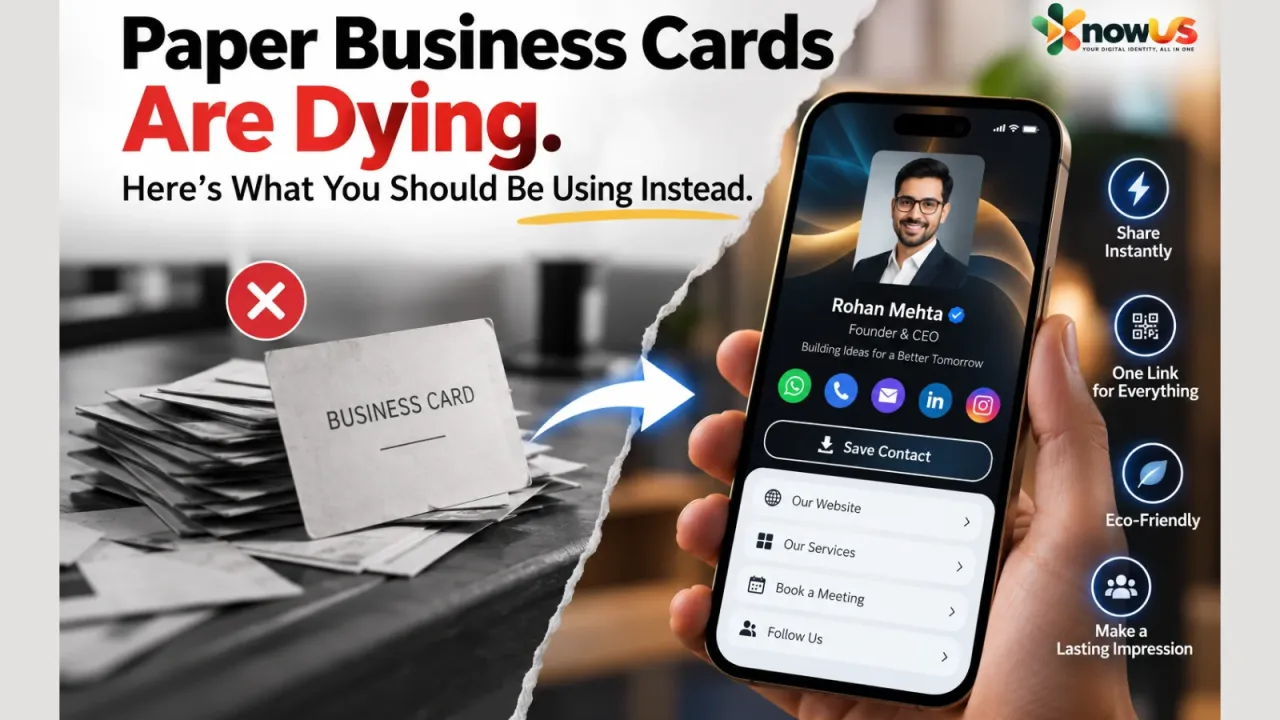
A paper card gives you a name, a number, and a logo. That’s it. It can’t update itself when you get promoted. It can’t tell you if the person actually kept it or threw it in the trash. And it definitely can’t show off your portfolio or a product catalogue.
Plus, the environmental math is brutal. We print around 10 billion cards every year, and roughly 88% get tossed within a week. For a company with 10,000 employees, traditional cards generate about 3.77 metric tons of CO2 per year. Switching to digital cuts that carbon footprint down to almost zero (just 3.6 kg of CO2 for the same scale).
Sustainability is no longer a "nice to have." It's a business requirement. Paper cards fail that test quietly.
How NFC and QR Codes Actually Work
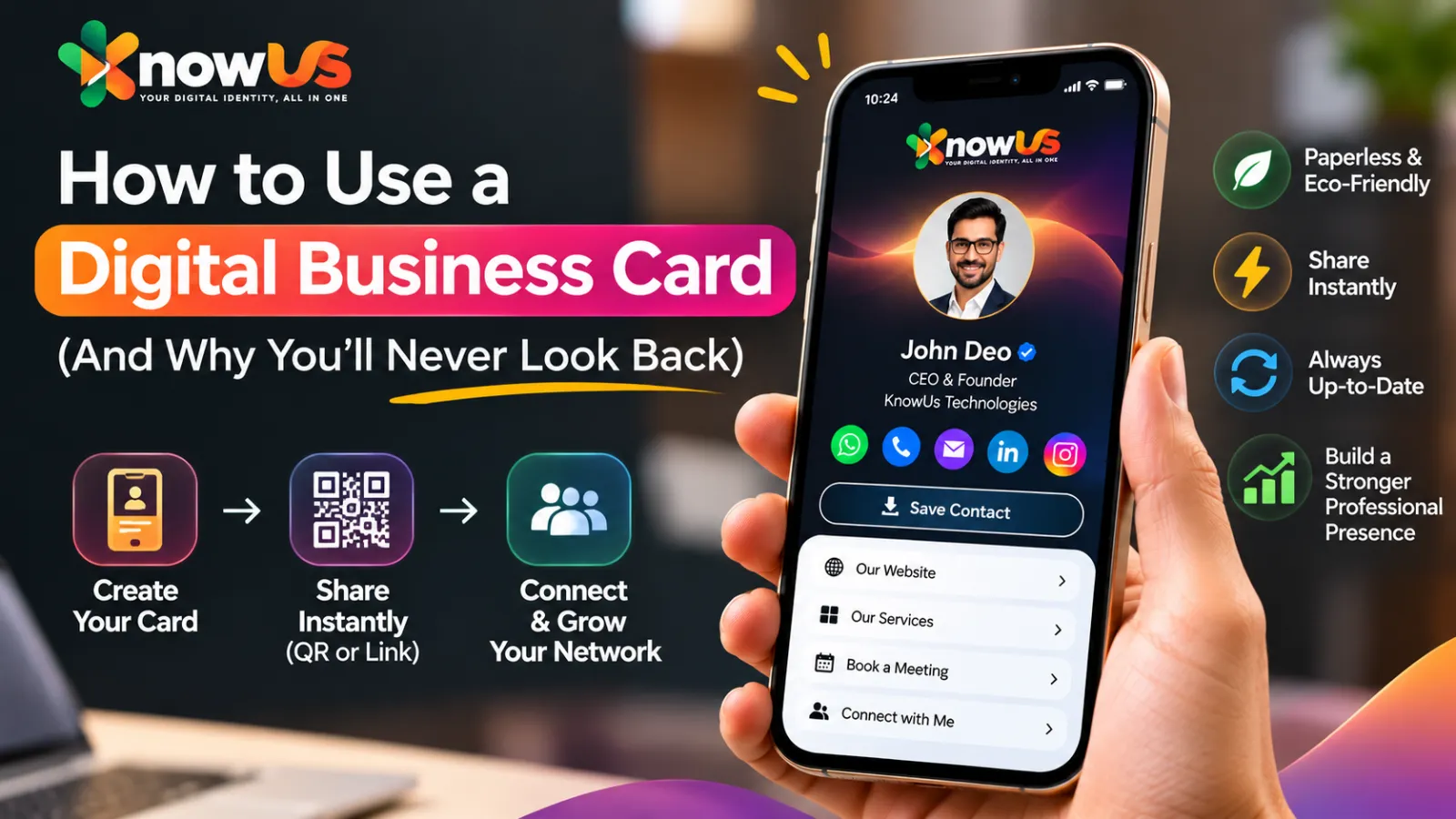
Here is where things get practical. A digital business card isn't just a picture saved on your phone. It’s a live web page you control. If you change your title or update a link, the page updates instantly. No reprinting required.
NFC business cards make the physical exchange effortless. You just tap your card (or your phone) against someone else's device, and your profile pops up. The chip stores a link, not the actual data. This means the information behind it stays editable forever.
But NFC isn't the whole story. The smartest setups pair NFC with dynamic QR codes. Why? Because not everyone has their NFC turned on. QR codes work on any smartphone camera, without an app. They work on printed slides, email signatures, and event badges.
If you look at the data, professionals love this. A recent study showed that 57% of professionals value easy contact saving, and 56% value updatable information. Among Gen Z, NFC card adoption is double the overall average.
Managing the Chaos: Brand Governance
For a solo entrepreneur, a digital card is a cool convenience. But if you manage a sales team of fifty people, it's a control problem.
Imagine spending thousands on a company rebrand, only to have your team handing out cards with the old logo six months later. That’s brand chaos.
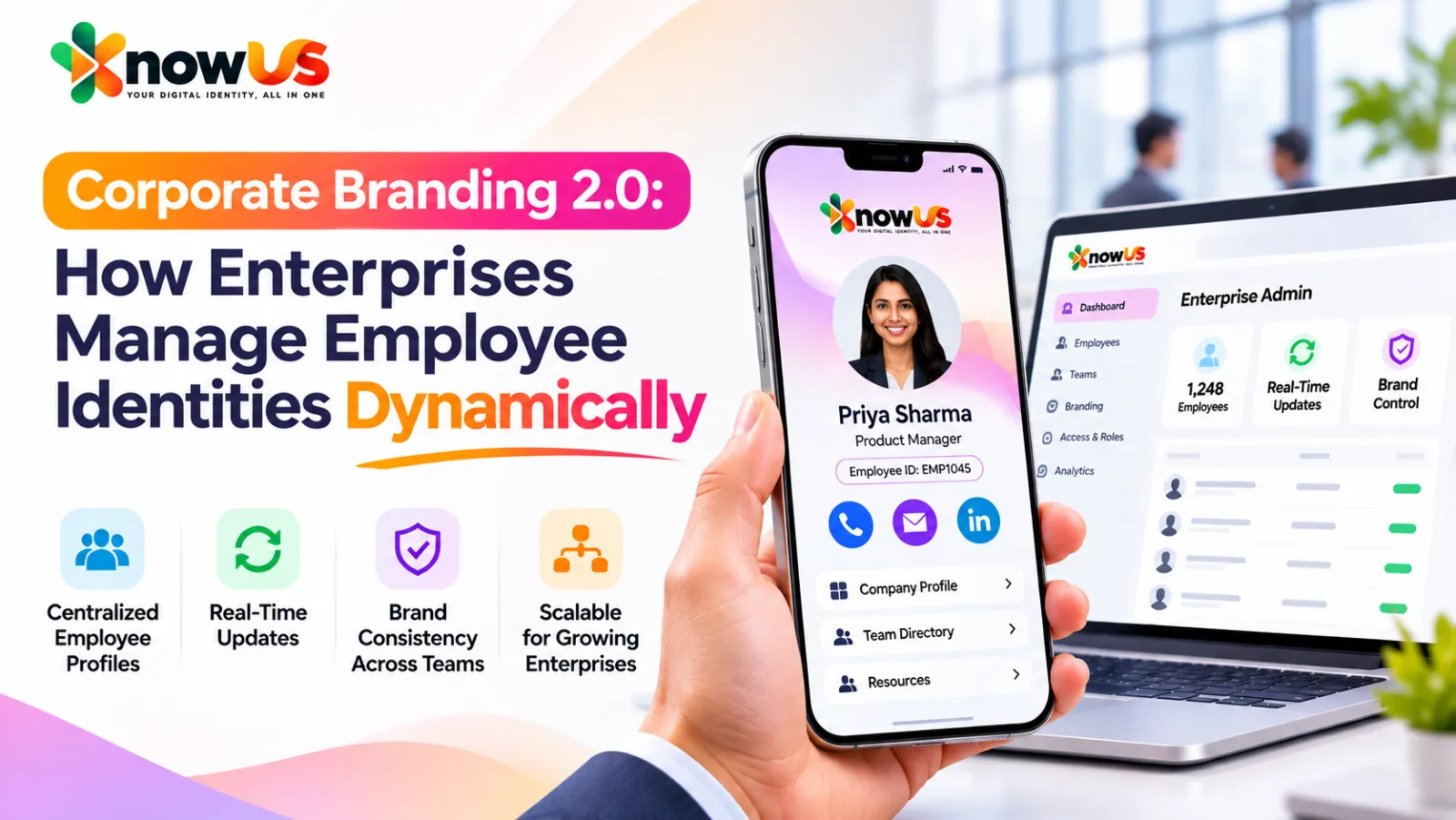
This is where centralized brand governance saves the day. Enterprise platforms let administrators lock the company logo, colors, and layout. Employees can personalize their own photo and links, but the core brand stays protected. If the company rebrands, one admin console update rolls out globally. No reprinting. No waiting.
It also solves the onboarding headache. New hires get a live profile on day one. When someone leaves, you deactivate their card with a click. No security gaps, no paper trails.
Plus, you finally get analytics. You can see how many times a card was viewed, which links got clicked, and how many contacts were saved. You can’t do that with cardboard.
So, What Should You Do Next?
You don't have to throw away your paper cards tomorrow. But you do need to think about what happens after the handshake. A card in a wallet is a dead end. A digital profile is an open door.
Here is a quick way to start:
If you're an individual: Set up a hosted digital profile with a QR code. It costs less than a lunch and gives you instant updateability.
If you're in a small team: Upgrade your client-facing reps to NFC cards. Pair them with QR codes for total compatibility.
If you run a larger organization: Focus on the backend. Choose a platform with admin controls, CRM sync, and analytics. The real value is in the governance.
The best networkers don’t have the thickest stack of cards. They just have the most accurate, easy-to-share information. That is the quiet advantage of a smart digital business card. It turns a single introduction into an open channel.